General Commercial Law Tips
Best tips for understanding commercial law

Commercial law stands essential for maintaining business functioning as well as commercial transaction efficiency. It embraces all sorts of law innocent of contracts, intellectual property, Employment law, consumer protection etc including dispute resolution. The successful operation of businesses demands entrepreneurs and owners and legal professionals to understand these essential elements related to commercial law. The commercial law’s knowledge is instrumental in drafting enforceable agreements and avoiding expensive legal issues and industry regulations compliance. Specific knowledge about your legal duties and rights constitute essential elements for maintaining sustainable business success in both startups and existing firms. The guide provides essential information about simplifying complicated legal points along with warning about standard legal errors and showing methods to track law adjustments. The insights presented in this discussion will help both business management and court procedures which together form the foundation for establishing a secure legal enterprise.
Why Commercial Law Matters for Businesses
Business operations need commercial law to establish legal standards which guarantee fair business transactions. The main subjects it covers include methods of creating business agreements and resolving conflicts and protecting intellectual property rights. A business’s comprehension of commercial law allows it to prevent legal dilemmas and address conflicts properly while protecting their ownership. Through commercial law businesses establish fair competition which simultaneously protects against unethical business conduct. Businesses gain competitive advantage and continue operation through a competitive market because they understand commercial law principles to remain compliant with regulations while maintaining credibility with their stakeholders.
Key Principles of Commercial Law
The foundation of commercial law consists of various essential principles which every business operation requires mastery. Under terms of commercial law parties establish contracts and property law establishes ownership rights and asset-related permissions. Furthermore, commercial law entails business laws, mechanisms of dispute resolution and protection of possessions of intellectual property. Businesses which master these principles make sure they build legitimate contracts and defend their inventional and brand assets and follow legal guidelines. Core business understanding will lead to successful business operations.
Commercial Contracts and Agreements
Business relationships establish their base through commercial contracts. All business engagements get their fundamental terms and conditional elements laid out within contracts for sales operations as well as services delivery and partnership duties. Every business needs to comprehend the essential elements that build a contract starting from the offer through acceptance and including consideration together with performance requirements. The written documents should state precisely the tasks and obligations of parties and their payment amounts and schedule and specific timing requirements combined with dispute settlement procedures. The legal safety and transparent understanding between parties depends on proper drafting and legal accuracy of contracts which shields your business against possible courtroom engagements.
Intellectual Property Protection
Businesses receive legal defence under Intellectual Property law when these businesses submit their creations for protection as trademarks alongside patents and copyrights and trade secrets. It is crucial to comprehend IP rights because using them properly serves as protection for your brand alongside your inventions and creative work against infringement attempts. The process of registering IP creates your legal right to own and exclusively use and license your intellectual property. Business failure to protect their intellectual property opens the door for competitor unauthorized activities that might degrade their market position and damage their reputation. The protection of your intellectual property serves as a fundamental method to retain market dominance.
Resolving Commercial Disputes
Standard commercial activities naturally provoke disputes which demand proper resolution methods for business success. Several dispute resolution methods under commercial law include mediation together with arbitration followed by litigation. Through mediation individuals can create their own acceptable outcome while arbitration gives power to a third party to establish an enforceable decision. Court proceedings included in litigation can become extremely expensive while lasting a long time. The efficiency of conflict resolution depends on having a clear understanding of which dispute resolution methods to use in specific circumstances to keep business operations undisturbed.
Global Commercial Law Considerations
Organizations which run international business operations need to grasp the intricate nature of worldwide commercial law systems. Businesses must interpret trade agreements as well as international contracts and foreign regulatory standards when they expand their operations. The success of international business depends heavily on multiple jurisdictional compliance with laws along with customs implementation and tariff regulations. The assessment of cultural dissimilarities and international trade law requirements helps organizations prevent disagreements during international transactions.
Tips for Mastering Commercial Law
Commercial law does require a mix of study, practice, and very good instruction. First, you begin with basic concepts like contract law, property law, and as well as intellectual property protection. Reading case studies or legal updates will allow you to understand how laws work as they evolve, and be kept updated on the developments of the laws. In the unfortunate case of more complex issues, consult legal professionals. Workshops or courses related to commercial law should be attended. To navigate the ever-changing landscape of law your business is operating under, it becomes very important to stay informed.
Study Essential Commercial Law Areas
Core areas which should be focused on include contract law, property law and intellectual property law. With help of these fundamental concepts, you can move easily within the legal framework of business. But it has all to do with mastering the contract law; you will also know how to draft and enforce agreements. Learning property law will help you prevent losses of property and control transactions; the learning of intellectual property law will help prevent losses of your inventions or branding rights.
Use Legal Resources for Learning
There are many online platforms where one can learn commercial law very easily. For instance, you can visit websites of law firms, educational platforms and legal blog to stay updated and in touch with the latest legal trends. The resources include free webinars, articles, and courses to get you to a deeper level of the commercial law topic. They are to be utilised to learn at your own pace and to supplement your legal studies. This will give you access to diverse educational materials, which will give you an insight of the practical applications of commercial law and help you ultimately come up on top of your business ventures.
Consult with Commercial Law Experts
Self study is invaluable, however when faced with the complex matters of the law consulting the professionals is a must. As a matter of fact, specialists on commercial law can advise you specifically on contract issues, disputes and intellectual property protection. You avoid being noncompliant to changing laws and regulations, by having legal experts on your team. Legal consultations prevent you from making costly mistakes, protect you from possible business interests and offer you a clear view on complicated legal issues. Unless you are experienced or well versed in commercial law, at the very least look for the services of a great professional that will guide you through the complexities and help secure your business’s success.
Stay Updated with Legal Changes
Evolution of Commercial law is nonstop, it comes up and changes, it is required to keep up with the same. Regarding business operations, new regulations, trade agreements, as well as judicial decisions, can result in the most significant impact. You should then subscribe to a legal journal, a legal newsletter and a legal organization so that you can receive updates on relevant legal changes. By staying on top of the latest, you can guarantee your business adheres to the law and always readies itself for any alterations that would figure out how your industry or operations.
Join Legal Workshops and Conferences
Commercial law can be better comprehended by attending workshops, seminars or even conferences relating to commercial law. They offer chances to hear from legal experts and discuss with peers and other professionals. The program also often deals with developing issues such as digital contracts, international trade regulations and new IP laws. It means that by participating in these events, not only will you be learning the basics, but you will also know what is happening with the modern challenges and innovations in the field of commercial law.
Avoid Common Mistakes in Commercial Law
Organizations frequently encounter well-known errors while working with commercial law which ends in expensive legal ramifications. Businesses commonly make mistakes through incorrect interpretation of contractual language and failure to handle crucial points in their agreements. Some businesses make the mistake of ignoring intellectual property protection and they fail to properly assess the potential dangers when breaking rules and regulations. Successful avoidance of these mistakes demands full attention, ongoing educational pursuit and should include legal consultation when needed. You protect your business as a first responder by monitoring possible risks before issues arise.
Misunderstanding Contract Terms
Throughout business operations it is a common error to overlook important details in contracts. The failure to understand contractual terms and payment conditions together with delivery deadlines and legal responsibilities may produce disputes because contracts enforce legal obligations. Businesses should eliminate this problem by creating precise agreements between all parties who participate. We must seek counsel from legal experts who will check that agreements are compatible with business interests and meet all legal specifications. Understanding all the conditions stated in your contracts enables your business to defend itself from dangerous situations.
Neglecting IP Protection
Most organizations fail to recognize the significance of defending their intellectual assets so their innovative concepts become easily targetable for infringement. Unprotected business investments lead to both damaged opportunities along with diminished market presence. To avoid this issue, proceed by registering trademarks patents and copyrights when required. Businesses must establish monitoring systems to detect potential infringement risks for the protection of their creations. Implementing IP protection enables you to retain ownership of your distinctive creations and proprietary products which guards them against unauthorized exploitation by competitors while you stay competitive in the market.
Failing to Comply with Local Laws
A business that does not follow local laws opens itself up to severe penalties which can include heavy fines as well as harmful damage to its reputation. All businesses must know their industry’s composition of local and industry regulations including tax codes and environmental requirements as well as Labor regulations and licensing elements. A business must review new laws through constant checking and consult qualified legal experts for guidance.
Not Having a Dispute Resolution Plan
A business without defined dispute resolution methods will face prolonged and expensive court disputes. Negotiations escalate improperly when contracts fail to include specific clauses. The efficient resolution of conflicts through arbitration mediation or negotiation alongside relationship preservation should be included in business operations. Businesses must use dispute resolution clauses to provide specific procedures handling disagreements thus saving both time and money.
Ignoring International Legal Considerations
Businesses making international expansions need to comply with the existing international legal requirements. Companies exposing themselves to penalties together with delays and damage to their reputation emerges when they fail to respect international trade law as well as trade agreements and import/export rules. Organizations need to respect different legal systems which operate separately in each national market. For businesses to execute operations globally without difficulties they need to understand contract laws along with tariffs and all relevant compliance standards.
Stay Updated with Changing Regulations
Commercial law continuously changes because it responds to the adjustments that occur in economics as well as technology and international developments. The success of businesses requires staying updated with changes to legal requirements because this leads to both compliance and competitive strength. Businesses should subscribe to newsletters from established law firms and attend webinars and must follow news from government regulatory bodies. Your organization reduces its legal risks and enhances its market predictions while preserving its lawful position in different business areas by staying updated on evolving legal standards.
Subscribe to Reputable Legal Newsletters
The subscription to newsletters from law firms along with industry associations provides active updates about commercial legal changes. The newsletters provide detailed yet simplified explanations of complex legal changes which assists you with regulatory updates before they happen. Automated email updates along with your inbox deliver critical updates to prevent your business operations from being affected by important changes.
Attend Legal Webinars and Seminars
The live webinars conducted by law professionals provide valuable insights into current regulatory updates because they enable direct interaction with specialists and attendees. The events provide detailed information about practical effects and specific business-oriented examples that show you how new laws impact corporate operations. Your involvement allows you access to direct questions for experts as you build professional connections with others managing comparable business issues.
Monitor Government and Regulatory Updates
The official government websites together with regulatory portals should be visited regularly because they provide the latest information regarding new laws along with proposed modifications and active enforcement measures. Many corporate agencies including IRS and SEC and your domestic commerce department publish essential updates for business owners. Checking these industry sources enables you to maintain current correct information.
Engage with Industry Associations
Professional organizations within each industry sector provide field-focused legal information along with customization of news and personnel training for members. Your professional development becomes better thanks to exclusive briefings and regulatory summaries and professional training sessions that membership in these organizations gives you. Businesses benefit from association allegiances through their support efforts in legislative matters that directly impact their organization. Joining these activities allows you to meet both regulatory updates along with predictive sector impacts that become a strategic benefit for your business.
Work with Compliance Consultants
Working with compliance consultants together with legal advisors helps you access professional interpretation of new regulations which leads to correct adjustments in your business operations. Consultants evaluate which effects different legal alterations deliver to regular operation cycles while presenting custom solutions that uphold compliance standards. The guidance of such professionals helps your business avoid mistakes that would be costly while demonstrating responsible business ethics to your stakeholders.
Understand International Trade Laws
Businesses conducting operations between international borders need to master international commercial laws. Countries maintain separate rules that affect agreements between parties and goods transport and disputes settlement and taxation requirements. The enforcement of such laws results in costly fines and operations delays for participants who fail to grasp them. Field knowledge in international trade agreements alongside Incoterms and global dispute resolution procedures creates success foundations for intercontinental business ventures. A genuine appreciation of international legal methods along with adherence to their processes helps you present a professional image to global markets and ensures risk reduction during your entry into new foreign territories.
Learn Key International Trade Agreements
All business leaders should study important international trade arrangements which comprise WTO rules and NAFTA (replaced by USMCA) and several bilateral agreements. These trade agreements control the implementation of trade regulations and rules to handle barriers together with dispute settlement procedures. International business operations become smoother when businesses understand the terms that regulate border trade and seize available trade opportunities. Businesses who maintain knowledge about trade agreements receive benefits through lowered expenses while gaining better entry to markets and enhanced international partnership negotiations when beginning operations in new foreign territories.
Understand the Importance of Incoterms
International Commercial Terms or Incoterms outline the duties of purchasing entities alongside delivery parties involved in global business transactions. Learning standardized terms represents a necessary skill for achieving effective control of shipping processes and insurance policies together with customs procedures and risk management responsibilities between trading partners. A lack of understanding about Incoterms creates multiple costly challenges between sellers and buyers. Businesses who understand FOB (Free on Board) and CIF (Cost Insurance and Freight) standards will obtain improved contractual terms which minimize disputes and result in more effective international goods delivery.
Know International Dispute Resolution Mechanisms
All businesses operating in international trade should develop full comprehension of existing dispute resolution tools because conflicts are naturally bound to occur. The International Chamber of Commerce arbitration tool and mediation approaches give companies time- and cost-efficient ways to resolve matters instead of using court-based litigation processes. Your business interests stay secure while maintaining good partnerships worldwide through selecting proper dispute resolution mechanisms.
Study Export and Import Regulations
All exporting countries enforce unique rules related to goods transfer that require businesses to know about tariffs and product standards and obtain proper permits. Failure to understand these trade rules will lead your shipments to suffer delayed delivery and additional penalties and confiscations. Organizations need to meet their regulatory requirements by mastering export record keeping together with tariff group assignments and trade ban guidelines. New estimations and regulations related to exports and imports help companies operate their supply chains efficiently and prevent potential legal consequences and financial issues in worldwide transactions.
Respect Cultural and Legal Differences
Cross-border operations require more than law compliance because they also need proper regard for both local practices and business traditions. Legal conflicts between international parties primarily happen due to miscalculations regarding business negotiation methods and contractual requirements together with misunderstandings regarding communication expectations. Understand the local business environment to create stronger business relationships which results in mutually comprehensible contracts.
Conclusion
Knowing commercial law constitutes an essential necessity to support business achievements and adherence to laws. Capable understanding of key concepts which include contract law and intellectual property and dispute resolution enables businesses to avoid frequent errors and function properly. To succeed in commercial law complexities, you should maintain legal updates along with consulting experts and making use of available resources. Your business interests can be protected through proactive action while your continuous learning efforts will benefit its long-term growth and success.
You should prepare to investigate commercial law further. Every subscriber to our newsletter receives professional guidance together with regulatory information and beneficial study materials. Follow the evolving rules and professional standards and acquisition techniques which will help you shield your business from threats while building its growth potential. The community welcomes you to join our mission where we will guide you confidently through business law practices.
FAQs:
1. What is commercial law and why is it important?
Commercial law establishes business protection measures which secure proper functioning of commercial businesses alongside legal compliance.
2. What steps do I need to follow for preparing commercial contracts?
You should create an easy-to-understand commercial contract that defines all responsibilities together with ownership terms and settlement procedures which specifies deadlines for completion.
3. Which important points should an intellectual property agreement contain?
Business agreements should contain sections for ownership agreements and uses permissions together with confidentiality rules and disagreement settlement protocols.
4. Which practical methods exist to handle commercial disagreements quickly?
Business disputes should be resolved through mediation or arbitration to cut down both time requirements and financial expenses.
5. Businesses usually encounter which particular legal errors?
Enterprises commonly make three crucial mistakes by failing to pay attention to contracts along with regulatory compliance and maintaining proper documentation.
6. How do international trade laws affect my business?
International trade laws influence the management of tariffs with shipping expenses and legal clauses combined with border compliance necessities as well as settlement mechanisms for inter-border disputes.
- Why should I consult with a commercial law expert?
Businesses receive specific legal counsel which protects them from possible legal risks while ensuring complete adherence to complicated legal standards.
8. What methods exist for me to monitor changes in commercial law industry?
The best sources for staying updated about legal developments include regular news monitoring from authorized law sites along with participation in relevant trade seminars.

Commercial disputes are an unavoidable aspect of doing business but by the way you handle them, the prospect of your company could be greatly affected. Commercial disputes are the disputes, which are based on the misunderstandings in the contracts, dispute on payments, or disagreement on terms. Failure to settle such disputes may cause expensive litigation, unrewarding business partnerships, and even an economic lakeback in the future. The best practices aimed at reducing the adverse impact of cases of disagreement are essential when it comes to value resolution as opposed to conflict. And first, clear and precise contracts will help to exclude any misunderstandings at the very beginning. When there is a disagreeable issue, an open and honest communication with the other party is one of the best practices. A casual chat, most of the time, can be a better way of fast and decent solution.
Another strategy that works is hiring the services of third party negotiators or mediators. Having a third party that is neutral to both sides will aid the discussions and make each party feel heard, resulting in a solution that both parties will accept. In case the lawsuit proves to be inevitable, good-documented evidence and a strong legal strategy is a must. With the help of resolving disagreements as early as possible and with the help of the following practices, you are preventing the damage to the reputation of the business, as well as legal expenses, and preserving the best relationships with the business partners.
Understanding the Causes of Commercial Disputes
Commercial disputes are relatively common and they are usually caused by ambiguous contracts, expectations or poor communication. Contradictions can also be resolved before they start by indicating the core causes of the same. Effective communication and properly written contracts are crucial when it comes to avoiding misunderstanding and conflicting situations at all. Simply by being aware of the causes, you can take preventive steps like enhancing contract wording and encouraging open communication to reduce the risk of getting into conflicts in future.
Ambiguities in Contracts
Insufficient and ill-prepared contracts are a source of business disagreements. Due to vagueness, parties may fail to interpret obligations and this creates disagreements. To prevent it make sure that all the terms in the contract are individual, exact, understandable with responsibilities and expectations. Clarity of contracts enables each side to remain on the same path and prevents confusions as a result addressing possible legal problems to the minimum.
Miscommunication Between Parties
Communication or lack of communication between business partners normally prompts a disagreement. The rules and regulations that should be observed to avoid confusion are maintaining clear and frequent communication concerning project status, expectations and concerns. The development of a regular update routine, talking things out, ensuring crucial decisions are agreed upon in writing keeps all parties on the same level on objectives and duties. To avoid conflicts and successful smooth business operations, effective communication is vital.
Payment Disagreements
Disputes on payments are common where payment terms are ill-defined; this may include quantities, dates, and methods of payment and so on. The best advice here is to clearly outline payment terms of your contracts, as well as due dates and late payment penalties to avoid misunderstandings and conflict. Additionally, it is necessary to explain who will deal with taxes or possible extra expenses so that there are no surprises later. Healthy business relationships always include clear payment terms.
Performance Issues
Some of the performance related disputes like the failure to meet deadlines or fail to perform to expectations can be reduced by clearly defining such terms under contracts. In agreements include certain deliverables, schedules, and quality to create some expectations of both sides. Otherwise, add provisions to cover the method of addressing performance concerns and remedy them in case of accountability to minimize the risk of disagreements and conflict.
Breach of Contract
Disputes usually result when a party cannot fulfill his or her side of the contract. To prevent breaches make sure your contract has black and white reciprocals to deliverable, time limits and responsibility. Provide non-compliance consequences like a fine or the right to end the contract. Clearly stipulated expectations will help to avoid the conflicts at an early stage and resolve any concerns within a short time should they come about.
Preventative Measures to Avoid Commercial Disputes
The most effective remedy against an expensive legal suit or arbitration is prevention of conflicts even before they occur. It is possible to avoid conflicts to a great extent by introducing such proactive measures as proper communication, clear contracts, and proper relationship management. This can help companies to avoid a number of typical business problems by clarifying the roles and responsibilities of everyone at the very beginning. Developing a strong basis by having a transparent and clear expectation not only reduces the number of conflicts but also builds a stronger business relationship and develops the positive business environment in the long-run.
Clear and Concise Contracts
Avoiding arguments as a result of a mistake and confusion are possible with clear and comprehensive contracts. It is important that all the terms, conditions, and expectations should be mentioned clearly without getting into grey areas. Please specify deadlines, responsibilities, and payment terms as well as contingencies. The well-formulated contract also acts as a guide to both parties of the contract so that there is mutual agreement and chances of misunderstandings which may cause conflict are minimized.
Open Communication Channels
Ensure that there is proper communication with all stakeholders and within one. Regular check-ups, updates and direct communication enable timely recognition of a possible problem. With the help of proactivity and constant communication, businesses can avoid the impact of minor misunderstandings, turning into official conflicts. Open communication must be promoted to remove distrust and develop healthy professional relationships.
Proper Documentation
It is important to keep a proper record of all business meetings, agreements and transactions. The presence of detailed records can constitute evidence in case they are needed in case of disagreement, as it allows problems to be resolved faster and in a more reasonable way. Make sure to note emails, contracts, invoices, and any other correspondence that is important to protect your interests and make sure that if things transpire negatively in future, you are clear.
Building Strong Business Relationships
Building good, business-related contacts with the clients, suppliers, and partners will help you decrease the likelihood to quarrel considerably. Trust and respect increase the probability of people creating the kind of reconciliations and to work together. Take time to foster relationships, solve issues as soon as possible, and be open: a good base usually excludes the occurrence of conflicts.
Setting Clear Expectations
Establish realistic expectations right away. This involves describing the work scope, delivery schedule as well as payments. When it is all out there clearly you are less likely to cause confusion and disagreement over issues. Through proper clarity, a business can avoid most of the misconceptions that later cost businesses much more in terms of litigation.
Methods for Resolving Commercial Disputes
The concept of timely and effective resolution is important when addressing the issue of business interests and ensuring that the essential relationships between professionals are not lost. Dealing with conflicts soon may help to avoid the further development of a conflict and maintain dear partnerships. Businesses in conflict can rely on conflict resolution techniques like negotiation, where both the parties reach an agreement in mutual interest; mediation, in which a neutral party takes initiative to mediate; and arbitration, in which an impartial party reaches a binding decision. The appropriate approach will provide a fair solution, and it will promote the continuity of business without the involvement of the courts in long-term and expensive litigation procedures.
Negotiation
Negotiation is where there is a face to face communication between the parties aimed at settling the dispute. It is not formal, each party can suggest a solution and find some common decision. This is the least expensive and the fastest mode of solving conflicts as there is no need for someone coming in between. Nevertheless effective negotiating is a matter of frank verbal exchange and readiness to compromise.
Mediation
Mediation is the use of a third party who is not able to take sides and assists in the discussion and helps solve a problem. The mediator does not give judgment but facilitates in coming up with an acceptable decision pertaining to both parties. Mediation is quicker and less procedural than arbitration or litigation, and a powerful means of keeping business relationships intact, as disputes are being solved.
Arbitration
Arbitration is a more official procedure in which a decision is made by an arbitrator who listens to the reasons of both parties which is binding. Although arbitration is more speedy and cheaper than litigation, the procedure may be rather expensive. It is normally applied where parties seek a conclusive solution without court proceedings. The two parties are willing to have the decision of the arbitrator accepted.
Litigation
The litigation term refers to settling the dispute in court, leaving the final decision to a judge or a jury. It is the longest and costly process. One should think of utilizing litigation as the last option when other means such as negotiation or mediation cannot solve the matter. It may also be destructive to the relationship between businesses as it is confrontational.
Settlement
A settlement is a scenario where the parties reach an agreement to settle outside the court or arbitration and mostly during negotiation. At this, a compromise of both parties may take place to prevent further conflict. A settlement is usually faster and more confidential, providing an avenue through which to solve conflicts without involving legal court proceedings.
The Role of Legal Advisors in Dispute Resolution
Commercial disputes require the assistance of legal advisors. They take businesses through the intricate legal systems and implement regulations and reduce risk in the business. Legal professionals provide recommendations on how businesses can settle disputes by providing expert advice. They also help in preparing explicit contracts that avoid conflicts in future and have a way to resolve conflict quickly. Their experience means that businesses are in a good position of dealing with the legal issues and protecting their own interests in extending long-term stability.
When to Consult a Lawyer
It is crucial that you consult a lawyer at once when the dispute emerges to clarify your legal status and the possible risk. It can enable you to make knowledgeable choices, including whether to bargain or determine other ways of settling a dispute. To make sure that you do not miss out anything in the legal department and also to avoid the dispute going out of hands, a lawyer can offer guidance through the process. Their professionalism also enables you to tell the potential consequences and to take the most advantageous way of action, to safeguard your business and interests.
Legal Strategy Development
Depending on your situation, a lawyer may come up with a complete and customized solution to solve a case by understanding your circumstance. They will advise you on the best method of approaching whether it is through negotiation, mediation or litigation. Their experience will guarantee that the strategy is in line with the goals and interests of your business and the risk of legal pitfalls will be reduced. A strategist behind a lawyer will also assist you in making proper business decisions in terms of either initiating a settlement or promoting your stand in court avoiding any legal hitch to your business and losing the business relationship in the long run.
Contract Review and Drafting
Lawyers play important roles in the verification and development of contracts so that the quality is comprehensible, specific and legally enforceable. When a contract is properly written, all terms, conditions, and obligations are listed, which will limit the probability of a dispute in the future. A lawyer can assist in exposing any possible ambiguity or risk factors that might cause conflicts in the future and provide suggestions as to protect your interests. Another way that proper contract drafting can help is that it ensures that all of the terms are enforceable, preventing misconceptions and shielding your business against expensive litigation. Such proactive tendency is crucial in order to ensure normal functioning of business and interaction.
Litigation Representation
When a dispute involves litigation then it is important to hire a lawyer to represent your business. They will do everything in getting your case through the legal process including entering the documents and appearing before court on your behalf. The experience of a lawyer makes sure you use legal procedures properly and discuss all the legal arguments required not to leave any chances of reaching a favorable resolution. They offer professional guidance on ways to argue your case, bargain on settlements as well as court procedure. Having legal advice is critical since that way, the interests of your business will be represented when it comes to contentious or formal legal confrontations.
Risk Management and Prevention
The lawyers have the role of assisting businesses in recognizing, evaluating, and resolving some of the risks facing them that may plunge them into legal disputes. They are able to identify a possible weak area in your business practices, contracts and operations before it gets out of control. Legal experts give recommendations about prevention measures, including better contract management, Employee training, and dispute resolution guidelines. By offering their services, you will be able to make provisions to reduce the future legal tussles and safeguard your property, as well as the stability of your business in the long term. Risk management planning is crucial in preventing any wastage of costs incurred and ensuring a running business.
Proactive Strategies to Prevent Commercial Disputes
Prevention of possible commercial litigation is also the way to hold on to the schedule of business operations. Having proper well drafted contracts with terms and expectations defined, can ward off misunderstanding. Efficient communication among all stakeholders will also help in resolving problems before they go out of hand. The probability of conflicts is also minimized by regularly checking the contracts and having good contact with clients, suppliers, and employees. Prevention of legal risks allows avoiding the high costs of the legal process, preserving the reputation and even creating a work culture of collaboration and contributing to the long-term successful results in the business.
Clear and Comprehensive Contracts
Contracts should be drawn in such a way that the terms are specific and elaborate so that all the parties have a common ground on the expectations, terms and methods of payments and delivery. This eliminates chances of confusion and safeguards the interests of the concerned parties and in the long-run, the risk of any conflicts. Clear contracts will serve as a good base to business relations and it will be easier to settle any differences.
Open and Regular Communication
Effective communication with clients, suppliers and partners should remain as clear and consistent as possible to avoid misunderstandings. By addressing the concerns at the very early stages of the concern, businesses stand in a position where they can iron out the issues before they become major crises. Frequent check-in and update maintain awareness among all parties and establish a culture of proactive problem-solving behavior.
Relationship Building with Clients and Partners
The closure of strong professional relationships with clients and business partners establishes trust and respect between each other. Such relationships can promote the process of easing discussions and solutions when conflicts have occurred. Positive relationships minimize the possibility of conflict, considering that the two parties will be more carried away with promoting amicable collaboration.
Periodic Contract Reviews
Periodical review of contracts also helps keep them up to date with regard to changes in the laws, business requirements and market conditions. Frequent check-ups enable companies to respond to possible threats and correct the changes, which may avoid conflicts arising due to obsolete or inapplicable clauses.
Conflict Resolution Training for Employees
Improving the skill set of employees through conflict resolution and communication skills can ensure that small problems do not overtake. Training helps businesses establish a culture in which disagreements are handled internally, and constructively and in a timely fashion. The staff will be more empowered to address matters even before they escalate to the process of formal interventions.
Conclusion
Conflicts are bound to be witnessed in business but when the correct tactics are applied, they may be reduced and solved in an effective manner. Through clear contracts, open communication, and application of timely resolution techniques like negotiation or mediation, corporations can protect their interests and maintain relationships with clients and partners. Early and effective intervention before things go wrong, and before seeking legal advice, assures businesses are prepared to withstand complicated claims. These preventive and strategic measures prevent costly litigation, enhance the ease of operation and ensure long-term success of the business.
Solve business conflicts with legal professional help and safeguard your company. We are experts in the preparation of clear contracts and guidance through a dispute resolution process such as negotiation, mediation. Reach out to us now and learn how we can support your business and enhance its long-term success with a successful approach to law.
FAQs
Which are the frequent commercial disputes causes?
Ambiguity of contracts, disagreement of payment, and performance are the common causes.
What do I do to avoid conflicts with my business associates?
Misunderstanding can be avoided through clarity in contracts, communication and the provision of necessary updates.
How can a business conflict be solved?
Depending on the situation, the negotiation, mediation, and arbitration might prove to be the most appropriate ways.
What role can be played by a lawyer in dispute resolution?
The services that lawyers will offer you are legal guidance, drafting of contracts or representation in negotiations or court.
How does mediation differ with arbitration?
Mediation is informal and not a binding process whereas arbitration is more formal and results in a binding solution.
With what commercial dispute would I aspire to take legal advice?
The moment you realize that there is a possibility of a dispute, it is best that you consider taking legal views.

The commercial law touches almost every business process, including contracts, intellectual property, employment, and so forth. It is important to avoid usual commercial law pitfalls to take care of the security of your business in terms of litigation, monetary losses, and a bad reputation. Most startups and small companies make some legal errors out of innocence without knowing that these mistakes will be very expensive in the future. This guide offers measures of identifying and preventing such commercial law mistakes. Creating viable legal documentations, observing regulations and engaging legal advisors will allow you to protect your business and realize long-term growth. After you learn and understand commercial laws, you will need to use them in a proper way, which will enable you to prevent any future problems and develop a more solid and stable enterprise, not to mention long-term prosperity.
Legal Structure and Setup
The initial establishment of your business as such is very significant to prevent your business being compromised by the law. The type of business structure you want to use, such as sole proprietorship, LLC or corporation, affects your liability as well as taxation and legal obligations greatly. Depending on your business activities, the lack of registration, the issue of licenses and the adherence to regulatory rules may lead to the cases of costly fines and lawsuits. This way, as you take the time to create a formidable legal groundwork, you safeguard your business and place it in a position to survive in the long run.
Choosing the Right Entity
The choice of an appropriate business entity, be it a sole proprietorship, LLC, or corporation, makes a substantial impact on your taxes and liability, and, most importantly, the way you conduct business. Both the options have their pros and cons. In the case of an LLC, one gets liability protection per individual, whereas in the case of sole proprietorship, the business can be easily operated and be managed directly. Think before a decision, about your business goals, and long-term plans, which are involved and about the available risks. The proper decision would keep your individual assets safe and offer you maximum tax benefits.
Registering Your Business Properly
Legal compliance can only be met by proper business registration. This lack of registration or attaining the relevant licenses may accrue serious penalties and trouble with the law. One must comprehend and realize their state, local and federal needs. Depending on the location of your business and the nature of the business, you might require certain permits to transact. Incorporating the business gives you legal claim to the business and instills confidence to customers, investors, and partners.
Drafting Clear Operating Agreements
An operating agreement is a critical document which outlines what is owned by who, how decisions will be made, who will do what as well as the responsibilities. In the absence of a clear agreement, interpersonal conflict may rapidly become a very expensive piece of legal conflict. This agreement is important because all parties involved are clear on their obligations and the regulations of the business. It is also a solution that gives you a direction of solving the conflict and ensuring that your business does not have any uncertainty and possible legal problems.
Protecting Personal Assets
Protection of personal liability can be considered as one of the main advantages of establishing LLC or corporation. The entities assist in maintaining personal assets apart from business debts and legal liabilities. In the absence of the protection, your personal property, house or your savings might come under threat of the loss in case of lawsuit or financial problem. This will help you in ensuring that your personal assets are not threatened by the liabilities of your business by forming an adequate legal entity.
Renewing Permits and Licenses
It is essential to have the permits and licenses of your business valid. Lapse of these documents leads to warnings and fines or even grace of your business operations in several instances. Also, periodically check when all the necessary licenses (both local, state, and federal) expire. By ensuring to renew your permits at the appropriate time you keep business running with no setbacks that you would have to incur costly repairs, harming your reputation and the profits of your business.
Contract Management
The kind of contracts to help them avoid confrontation and legal safeguard to all the parties involved are strong contracts. A well-written contract specifies the terms, responsibilities, and expectations of each party, creating a lower possibility of misunderstandings of conflicts. It does not matter whether you are handling customers, suppliers or even employees, a well laid out contract acts as a binder so that there are clear lines and your business interests are not compromised. It is also useful in case there are any problems to arise as both parties involved are responsible and dependable and the terms of the agreement must be moved in the court of law.
Avoiding Verbal Agreements
Disagreements might also occur as a result of a verbal agreement and enforcement of such agreements would also be cumbersome in a court. It is best to record the agreements in writing to evade the legal technicalities. Written contracts are used where both parties are well aware of their roles, the terms of arrangement. This can be a very good start point in case any dispute arises. Putting agreements in writing protects your business and provides a solid document of what your business agreed to.
Detailing Key Terms Clearly
Service contracts are supposed to have provisions on the major contract terms which are deliverables, payment, and delivery time and how the disputes are to be resolved. The result of ambiguity is misinterpretation which destroys business relationships and brings about legal challenges. Make expectations and responsibilities well defined and effectively rule out ambiguity. Terms that are well-spelled create a guideline and assist most in making sure both parties understand each other leading to smoother interactions and legal understanding.
Understanding Termination Clauses
Termination clauses provide by what circumstances either of the parties can terminate the contract. It is important to know about such clauses so that it can be known in advance to get into liability or conflict later. Ensure you are aware of the rights and duties regarding the termination of the agreement and the penalties or notice. Termination terms should be clear as a way of managing expectations and offering a legal structure on how the relationship may be ended trouble-free, avoiding the expensive breach or suit in the future.
Managing Contract Renewals
Establishing reminders when contracts need to be renewed or vacated will help you avoid an unpleasant surprise of failing to meet a deadline. This enables you to review terms or evaluate whether the deal is in line with your objectives in business. It is important to manage renewal of contracts to ensure the good terms and liability protection. The active monitoring of renewals prevents any unforeseen lapses in insurance which can occur by not monitoring what is happening and has expired, leaving your company in non-compliance and exposed to the dangers of dated and/or unattended contracts.
Ensuring Compliance with Legal and Regulatory Requirements
Compliance with the laws and regulations must always be followed in a well-managed contract. It is also essential to make sure that the conditions of the agreement meet industry standards and legal requirements, which might be different regarding the type of the business and jurisdiction. Non-compliance may result into the legal or penalty that may be unfavorable to your business image and financial status. To avoid exposure to risk due to changes in the law, regulation or the way the business is conducted, it is important that contracts should be reviewed and periodically updated. This will also eliminate the uncertainties risk when it comes to contravening any of the regulatory requirements that may lead to heavy fines and prosecution.
Employment Law Compliance
Recruiting and treating workers are very tight legal duties that may affect the success of your business. The scope of legal requirements imposed on businesses is large, including ensuring that welfare provisions and labor laws, wage regulation, and anti-discrimination provisions are followed in addition to ensuring that benefits are adequate and that the company has a safe workplace. When these rules are not followed, your business is liable to legal suits, fines and tarnishing your reputation. Knowing your responsibility and installing robust HR procedures, you are building a fair and legally above-board work environment that will attract the finest talent and produce the lowest of lawful risk.
Proper Employee Classification
Failure to treat a worker as an employee and defining him or her as an independent contractor may result into large fines and repayment of arrears. It is important to realize the difference between contractors and employees under the criterion of tax and labor law. Inaccurate classification may create lost benefits too, as well as legal requirements like worker compensation, or overtime pay. Make sure that you are classified properly to avoid the punishment of your business and make sure that you comply with federal and state laws.
Drafting Employment Contracts
Employment contracts are detailed in plain words and the role, responsibility, and funding, as well as the legal protection such as the right to use intellectual property. Such contracts are used to establish the expectations of the two parties in the contract and may avoid future conflicts because they lay out what employment entails, dismissal and confidentiality. They will also make both the employer and the employee to be in agreement on important policies and processes and give a legal groundwork in which future disputes are to be resolved.
Adhering to Wage and Hour Laws
Employment law is important in terms of paying reasonable wages, adhering to the overtime policies, etc. Keep a record of the hours that an employee works and be sure you are complying with the minimum wage by federal, state and local statutes. Ignoring the law in wage and hours is subject to expensive litigation, back pay and penalty. By complying with such rules, you provide fair treatment of your workers and safeguard your company against any legal challenge.
Implementing Anti-Discrimination Policies
To create an inclusive workplace free of discrimination and harassment, clear policies against any form of discrimination and against any form of harassment should be developed. The training programs should support these policies in order to help employees know their rights and duties. By taking preventative measures to counter discrimination, your company will reduce the chances of litigation, re-establish a healthy workplace environment and ensure all procedures are in place, as dictated by federal and state regulations, including the Civil Rights Act and Equal Employment Opportunity (EEO) regulations.
Providing Mandatory Benefits
To comply with employment laws, it is necessary to be aware of any mandatory benefits that employees are entitled to, like workers compensation, health insurance, paid leave, etc. There are benefits you have to provide based on your location and the size of your business. Other than safeguarding the well-being of your employees, making these essential benefits accessible to them also gives your business a chance to evade non-compliance issues with employee rights and the legal complications that follow.
Intellectual Property Protection
The protection of your brand, your works and innovations is a key to preserving a competitive advantage of your business. Intellectual property (IP) protection like trademarks, copyrights, patents, and trade secrets guarantee the sole right to your uniqueness in ideas you may have or your brand and identity without allowing others to use it without prior authorisation. Protecting your IP helps you not only avoid those who are trying to use it without authorization but increase business valuation and secure creative output. Proactive privacy strategies are beneficial to your privacy as they provide defensive measures to defend your labor, enhance your reputation and provide legal solutions in case of any infringement.
Registering Trademarks and Patents
Trademarking and patenting your brand name, logo, and invention will save you because they give you the rights of exclusivity. This will help stop competitors to copy or use your ideas and legally your intellectual property (IP) is given legal protection. Trademarks and patents will support your business position and convince you that your business and innovation are legal documents that you can use in defending your competitive advantage and success in the long run.
Securing Copyrights
The copyrights offer legal security to the original work such as drawings, software, literature and other imaginative works. Registering copyrights can secure your work and subject it to unauthorized use in any form. This will give you the ability to determine what happens with your work so that you cannot be underutilized as you get the opportunity to get any commercial reward that comes out of it. The protection of the special components of your business environment and the prevention of yet from making money out of your intellectual property are best functions taken care of by copyright registration.
Using NDAs for Sensitive Information
Disclosure agreements (NDAs) are the rules necessary in safeguarding the secrets in any negotiations or joint venture business. Through the use of NDAs, you will guarantee that your sensitive information about business will not be shared or misused by partners, or employees or contractors. These covenants protect your rights to intellectual property, trade secrets and strategies that are proprietary, and thus your competition is safe. NDAs play a significant role in keeping trust and eliminating possible spillage of important information that may be detrimental to your business.
Monitoring for IP Infringement
It is essential to constantly track the market to make sure that your brand and works may not be violated/be stolen in relation to intellectual property (IP). Being attentive, you can learn about the unauthorized use of your trademarks, patents, copyrights, or trade secrets. The timely detection implies that you can sue them, and the infringement is not highly detrimental to your business. The aggressive implementation of your IP rights protects the integrity of your business interests and makes sure that your intellectual property is safe.
Understanding Licensing Agreements
Licensing deals enable you to earn money out of your intellectual property but you never surrender any ownership or control. These contracts come in to determine how or at what consideration another party may use your intellectual property including trademarks, patents or copyrighted material. Well-organized licensing terms and conditions will enable you to take control over the usage of your intellectual property, to provide a beneficial deal to both sides, and preserve your rights and business affairs.
Compliance and Risk Management
Continued adherence to the local, state, and federal laws will prove instrumental to ensuring that your business enjoys a long life. Keeping up with tax law changes, labor policy and regulations, industry specific standards, and licensing policies reduce the chance of having to face fines, lawsuits, or disrupted operations. Periodic compliance testing helps to ascertain that your business runs easily, builds confidence with stakeholders, and guards your reputation. An active approach to compliance will secure the future of your business in relation to its growth, survival, and responsiveness to changes in legal environments.
Following Industry Regulations
All industries are characterized by special regulatory demands, such as health and safety, environmental standards. It is necessary to comprehend these regulations and know how to follow them to minimize legal risks and achieve compliance. Violating the industry-specific standards may lead to fines, punishment, or even close the business. Keeping in touch with the regulations that govern your industry helps you safeguard yourself against unwanted lawsuits that can strain operations and complete favourable adjustments over time.
Maintaining Data Privacy Standards
Following such laws as GDPR (General Data Protection Regulation) and CCPA (California Consumer Privacy Act) is essential to ensure data privacy of the customers and trust. These laws provide a clear line on how business or any organization must gather, retain, and use personal information. This not only prevents you from suffering legal charges but also shows your concern about privacy of customer details and protecting the reputation of your brand within the more and more digitalized world.
Implementing Risk Management Policies
The key to detecting legal weaknesses at early stages is proactive identification of any possible risks that may arise and adopting risk management policies. The policies of risk management offer the toolkit of handling financial and operational, as well as legal risk. Preventive actions will help businesses reduce the risks of facing expensive legal cases. A formal process of mitigating risks, be it an argument, regulatory contravention, or compliance failure, can provide that you are ready to take on upcoming challenges and lowers the possibilities of legal issues in the future.
Conducting Regular Legal Audits
It is necessary to conduct an audit of your business with regards to the law regularly because this is one method that helps you to realize any compliance non-conformance, regulatory shortfalls or risks that may exist in your processes. Such audits include the inspection of contracts, employment activities, intellectual property rights and financial undertakings to confirm that the laws are being followed. Marking out the issues in time, periodic auditing helps you to eliminate the possible challenges before they get out of control and your business risks a fine, suit, or another legal issue. Periodical legal check-ups provide a sense of relief and also makes the authorities satisfied with your business conduct.
Consulting Legal Experts Early
Seeking legal advice at an early stage of decision-making will also avoid making mistakes that are costly. Engaging an experienced lawyer is more than just clerical tasks like drafting contracts, compliance issues, forming your business or any element relating to your legal responsibilities. Consultation opportunities include making effective and well-informed business decisions. Legal specialists offer great information about the likely risks involved and also make sure that all the documents provided are well drafted and conform to the laws governing the same. Initial consultations form the basis of improved protection and reduced litigation in the future.
Conclusion :
The key issues or occupational hazards that must be avoided in commercial law pitfalls include deciding on possible actions in advance, having well-documented plans and ensuring that the same can be observed by the concerned authorities on a regular basis. Making the right business entity decisions to writing effective contracts and guarding intellectual property concerns, little details may cause significant legal problems when overlooked. Taking time on a regular basis to review your practices with legal experts and revising your policies to accommodate changes in the law will ensure that your business is shielded. With some mitigation measures in place, you can employ now, save some funds, protect your reputation, and make your startup ready to survive and prosper in a competitive business environment.
Are you ready to protect your business and legal missteps? Become a wise business law practitioner now! Seek legal advice by hiring an experienced business attorney and establish a good legal foundation because your startup can become strong, safe, and successful. Save your future- do it today!
FAQs:
Which are some typical startup commercial law pitfalls?
The greatest commercial law pitfalls are poor management of the contracts, the choice of the business structure, and the neglect of the IP protections.
What is the relevance of ensuring that the business is structurally right?
It affects your liability as an individual, taxation, and capability of attracting investors.
Are oral contracts enforceable?
Oral contracts might be made good, but it would be more legal when it is in writing.
What can I do in order to protect my intellectual property?
Trademarks, copyrights, and patents should also be registered, and NDAs have to be used with confidential disclosures of information.
What occurs should I classify workers inaccurately?
Misclassification may attract penalties, back-wages, penalties by labor departments.
When should I read my contracts?
Review the contracts every year or when the business relations or laws change.

Commercial law is a crucial aspect that startups need to navigate around in order to shun legal troubles and secure future success. Legal issues are important to consider at the outset to ensure that your business is not put at risk, and that any intellectual property is safeguarded, as well as the establishment of clear contracts with customers, partners and employees. This is a guide to essential legal tips to new businesses, including topics such as compliance, contracts and protection of intellectual property. It also takes away the risk and gives you a good idea of how to streamline your operations and protect your startup against any legal issues with a good grip on commercial law. With the proper legal counsel at the founding stage, you can establish a solid basis of sustainable growth, prevent legal errors, and ensure a safe and compliant business model during the scaling process.
Business Structure and Legal Framework
The path to the success of any startup starts with the selection of business structure. Be it a sole proprietorship, partnership, LLC or corporation, all these structures have an impact on taxes, liability and governance. It is not just your legal responsibilities that are determined by the right structure but it can also affect your access to raise capital, grow your business, and ensure your personal assets are safeguarded. Awareness of the consequences of either structure will assist in making certain that your new business runs efficiently and is in a sound situation to expand with limited legal trouble in mind as you develop.
Types of Business Structures
Identifying an appropriate business structure is one of the most important decisions to the legal and economic wellbeing of your startup. Sole proprietorship, partnership, LLC and corporation have different implications related to taxes, liability, management and growth potential. Sole proprietorships are easy to operate, but do not offer any asset protection, whereas LLCs and corporations do. Ask yourself about the size of your startup, its expansion plans and how much money you require. The right choice will determine your daily work routine, as well as further perspectives and possibilities of expansion, and it is strongly advised to consult a lawyer as soon as possible.
Importance of Legal Compliance
Your startup must operate legitimately in terms of compliance with local, state, and federal laws. The consequences of the non-compliance may include hefty fines, litigation, or worse, the termination of the business. The rules depend on your sector, region and business format, so it is very important to keep in touch. Get to know new rules and legal changes that can influence your activities regularly. Legal audits or expert advice is a sure way of staying on the right side of the law, unnecessary fines and developing a reputation of reliability and integrity.
Protecting Personal Assets
Personal asset protection is one of the primary benefits of creating an LLC or corporation. Your personal assets, such as your home, car and savings, are not normally at risk in a lawsuit, bankruptcy or business debt just because your startup is sued, bankrupt or in debt. This protection is not provided by sole proprietorships and partnerships, so the owners personally guarantee business debts. The wise structuring of your business can also decrease your personal financial risk and that gives you peace of mind as your business expands and encounters any potential problems in the future.
Tax Implications
Every business entity has its own tax Burden and advantages. Sole proprietorship and partnerships can provide pass-through taxation, and corporations are subject to double taxation unless they choose to become S-corporations. LLCs have the flexibility to decide the way they want to be taxed depending on what is most advantageous. The appropriate structure will ensure that your tax liability is reduced, and reporting is made easy. Using the service of a tax advisor is the guarantee that you will make the most deductions, will not violate any tax regulations, and will not make an expensive mistake when your business grows and your income increases.
Liability Considerations
When establishing your startup, it is basic to understand your liability risk. The sole proprietors and partners have personal liability to the business debts and judgments where LLCs and corporations usually shield the personal assets of the owners. A limited liability structure can protect your personal finances as well as mitigate your personal risk should the business be sued or get into debt. You should also consider liability issues when making your decision especially in sectors where cases of litigation are rife or where your operation or contract has heavy financial consequences.
Drafting and Reviewing Business Contracts
The world of business transactions is based on contracts as they bring sanity and safety to all involved parties. Properly written contracts can reduce the chances of misunderstanding, set out the correct expectations and offer protection in the event of a legal challenge. It could be with customers, suppliers, investors, or employees, but in any case, detailed agreements should be in place to clarify who is doing what, when and how it will be paid, what is expected to be delivered, and what legal safeguards are in place. It is worth investing in contracts that are professionally drafted so that your new business runs well, has good relations, and does not face the possibility of very expensive lawsuits. Powerful contracts are an essential source of developing long-term business excellence.
Key Elements of a Business Contract
The valid business contract should include a clear description of the agreement terms, payment procedure, the responsibility of both parties, and dispute resolving techniques. It must also stipulate time limits, deliverables and consequences of failure to comply. Explicit language with a minimum of words eliminates the chances of misinterpretation and loopholes. When signing contracts, it is always important to read in between the lines and make sure that they are in line with your business ambitions and that they have your interests at heart. To ensure that your startup is not involved in misunderstandings or expensive lawsuits in the future, you can also involve a legal expert in the process of either drafting or reviewing agreements.
Employee Contracts and Agreements
Employee agreement is important in establishing employment position and obligation, salary and benefit. They also usually involve having confidentiality, non-compete limitations and intellectual property ownership clauses that secure the assets of the business. Understandable employee contracts can establish expectations and prevent turnover and employment disagreements. As your startup develops, it is important to invest in tailored, legally compliant employee agreements that would keep your employees functioning within specified limits and that your proprietary data is not compromised once the employees move out of the firm.
Vendor and Supplier Agreements
Contracts with vendors and suppliers are critical in making sure that your supply chain is functional. Such contracts ought to contain specifications of products, prices, delivery schedules, payment conditions as well as consequences of non-performance. An understanding supplier contract will aid in avoiding misunderstandings, breach of contract and establish a legal outline on how to solve any given problem. Effective contracting not only establishes trust with your suppliers but also provides legal options upon which startups can rely on in case of wrong happenings to facilitate stability in operations and future expansion.
Terms and Conditions for Customers
The use of terms and conditions helps to legally base your relationship with customers. They explicitly explain your service expectations, payment terms, money back guarantees, warranty terms and the method of dispute resolution. The customer contracts should be transparent to regulate the expectations of the clients, reduce conflict points and offer legal safeguard in the event of a dispute. Whether you are selling products or providing services, it is always important to define the terms and conditions of engaging with your business to avoid any liability to your startup in the long-run as well as facilitating the transaction process and gaining customer trust in the process.
Non-Disclosure Agreements (NDAs)
Non-Disclosure Agreements (NDAs) help your startup to keep its secrets safe when collaborating with employees, contractors, partners, or investors. An NDA is used to make sure that sensitive business information, trade secrets, or proprietary concepts are not divulged without permission. They become particularly essential when preliminary negotiations are conducted concerning partnership, fundraising, or the development of a product. With NDAs signed, you can be sure that the chances of having your intellectual property stolen or abused are considerably lower, allowing you to partner with ease, knowing that your business competitive advantage is secured.
Intellectual Property (IP) Protection
One of the most valuable assets that a startup may possess is intellectual property (IP). Registering your trademarks, patents, copyrights and trade secrets will guarantee that you keep ownership of your innovations, brand name and competitive edge. In the absence of protection, your ideas can be used by the competitors and this will lead to loss of potential revenue as well as affect the reputation. Establishing robust IP protections at the initial stage can protect the future development of your startup and its positioning on the market. One of the most important aspects of creating a robust, sustainable business is to take active legal action to protect and defend your intellectual property by registering it.
Trademark Registration
It is essential to trademark your brand name, business name, business logo and slogans to ensure that no one infringes on your brand’s name. A trademark gives you the right to be the only person to use these elements and stops other people using similar branding that might mislead your customers. Trademarks can as well make your business more valuable by enhancing brand recognition. When you apply early and officially your rights become enforceable.
Copyright for Creative Works
The copyright protection is automatic when you develop original work, however, registering your works, such as software, written text, videos, and artwork, gives you more weight in copyright law. With copyright laws, no one can reproduce, distribute or make money out of your works without your consent. In the case of startups dedicated to digital products, media, or intellectual services, it is necessary to register copyrights in order to protect sources of revenue.
Patents for Innovations
Patents can give you exclusive rights over your inventions from being new products to unique processes of manufacture and new technologies. The process of patenting will stop others cloning, using or selling your invention without your consent. The procedure of applying for a patent might be complicated, and it needs some details and legal knowledge. But having patents will greatly increase the valuation and attractiveness of your startup to investors
Trade Secrets and Confidentiality
Trade secrets (formulas, processes, customer lists, business strategies, etc.) can give a startup a competitive advantage so long as they remain secret. Internal policies, secure systems, and legal agreements, such as Non-Disclosure Agreements (NDAs) are required to protect the trade secrets. In comparison to patents or copyrights, trade secrets do not have an expiry provided that they are kept secret. It is important to have well-defined practices of how sensitive information is accessed, handled, and protected by employees.
Licensing and IP Contracts
One of these ways is licensing your intellectual property, which enables other companies to utilize your works and earn passive revenues to your startup. Well developed licensing agreements specify the rights of usage, royalty fee payments, time span and enforcement details. Clear contracts will safeguard your IP against exploitation and will guarantee that you will have control of the way your work is commercially exploited. Without direct investment, licensing can increase your market.
Navigating Employment Law and Workplace Compliance
Employee hiring also needs a firm grasp of the employment law, which concerns such issues as wage laws, anti-discriminatory measures, job safety, and employee benefits. By establishing a lawful and equitable work environment, you can draw and keep skills and reduce the possibility of expensive litigation or government fines. Whether it is a proper onboarding procedure or the transparent HR policies, compliance means your startup can stay within the legal framework. This is likely to encourage employee morale and productivity as well as creating a good basis of business success and progress in the long run.
Employee Rights and Protections
The rights of the employees are important to understand and maintain in order to have a legally correct and ethical startup. Labor laws cover minimum wage, overtime, workplace safety, family leaves and wrongful discharge. Complying with these laws does not only protect your business against discrimination cases and lawsuits but also creates a good working environment.
Health and Safety Compliance
It is legally and ethically obligatory to establish a risk-free working environment. The observance of the Occupational Safety and Health Administration (OSHA) standards facilitate in safeguarding workers against accidents, injuries as well as health risks. Some of the important elements of compliance are establishing safety protocols, regular training sessions, and keeping incident records. Safe work environment minimizes absenteeism, increases morale and eliminates expensive legal suits or penalties.
Independent Contractors vs. Employees
The importance of workers being classified properly is essential to remaining in compliance with tax, Labor and benefits legislation. The independent contractors are not entitled to the minimum wage, benefits or protection under the law like employees. Improper classification might lead to huge fines, back taxes, and lawsuits. Knowing the criteria- such as having control over the work hours, tool provision and the nature of relationship helps you make proper categorization. When contracting, clear formal agreements are very necessary.
Anti-Discrimination Policies
The anti-discriminatory rules are necessary in building an inclusive, equitable, and legally compliant work environment. There are federal and state laws that prohibit discrimination on the basis of race, gender, religion, disability, and other protected classes such as the Civil Rights Act, Americans with Disability Act (ADA), and the Equal Pay Act. Producing and implementing explicit policies, training employees, and designing reporting processes save your business lawsuits and enhance the workplace culture.
Employment Contracts and Benefits
The employment contracts are supposed to have clear specifications on the roles and obligations of each job, remunerations, benefits, the process of termination as well as confidentiality obligations. Agreements executed well avoid misunderstanding and specify expectations at the outset. Provision of competitive benefits, including health insurance, paid leaves, and retirement plans increase employee satisfaction and retention. It is important to be legal; otherwise, the consequences of not abiding by the benefits laws may entail penalties.
Regulatory Compliance and Risk Management
Complying with the regulatory standards is vital to the success and sustainability of your startup. Being compliant means no more problems with the operations, customer confidence, and no need to pay huge sums of money in fines and repair the reputation of your business. Putting an effective risk management plan in place will enable you to actively screen, evaluate, and solve any possible legal challenges before they get out of hand. Checking on the variations in industry regulations and keeping adequate documentation contribute to protecting your startup.
Industry-Specific Regulations
Each industry also has regulatory requirements that startups ought to learn and abide by. Regardless of whether you are working in the sphere of healthcare, finance, technology, food services, or any other area, being compliant helps to minimize the legal risks and establish credibility. Conduct industry research and study industry-specific regulations regularly and acquire any required licenses and keep certifications current. You can overcome this by seeking the advice of legal specialists who are conversant with your industry to ensure that you do not miss out on anything.
Data Protection and Privacy Laws
The data privacy regulations including the General Data Protection Regulation (GDPR) and California Consumer Privacy Act (CCPA) give startups guidelines to follow to safeguard customer data. It is necessary to apply effective cybersecurity, encryption, secure storage and deletion practices, as well as transparent privacy policies. Consistent auditing assists in discovering weak points. Failure to comply may attract huge fines and consumers may lose trust.
Insurance Requirements
Business insurance covers your start-up in case of unexpected events like suits, damage of property, or injuries to the employees resulting in a financial loss. Depending on your business model, you will likely need general liability insurance, property insurance and workers compensation. Specialist insurance such as cyber insurance can also help. Insurance requirements can be a confusing subject, but meeting those needs can mean the difference between compliance with the law and protecting the assets of your growing startup as well as reducing the amount of risk your business is exposed to and having a certain degree of peace of mind as your business expands and encounters new problems.
Environment Safety and Regulations
Environmental and safety regulations are there to safeguard the population and the environment and adherence to them is very essential to any business operating in a wide range of fields. Waste management, emissions, and workplace safety measures are required, in order to prevent fines and reputational losses. Frequent checkups, training sessions and abidance by the federal state and local codes are essential.
Tax Compliance and Reporting
Proper tax filing and reporting is critical to the financial and legal well being of your startup. This entails the Federal income taxes, the state and local taxes, the sales tax and the payroll taxes. Wrong steps may result in audits, fines, or even something worse. Working with a tax pro will make sure you never miss a deadline, may get you interesting deductions, and keep you up to date on changes in the tax laws.
Conclusion:
Commercial law is a crucial aspect of any startup that intends to become successful in the long term. Whether it is in the organization of your business, the protection of intellectual property or the maintenance of employee compliance, proactive legal measures can help secure your business in case of any eventualities. With the knowledge about contracts, legal responsibilities, and industry-related regulations, you benefit by establishing a strong, compliant business base. Commercial law advice is one of those investments that may save you a lot of money in the long run when legal action is taken against you. Protect your startup by enforcing the appropriate legal safeguards and measures to guarantee its prolonged development and a risk-free future.
Looking to get professional commercial law advice? Minimize the legal risks in your business, establish compliance, and position yourself to win in the long term. Get in touch with us to receive specialized advice that will address the specific circumstances of your startup. Act now and safeguard the future of your business!
FAQs
1. What is Commercial law?
Commercial law is defined as the law practicing business transactions such as contracts, intellectual property, and compliance regulations.
2. What value does commercial law have to startups?
Commercial law shields startups against legal threats, guarantees adherence to regulations, and assists in acquiring intellectual property and contracts.
3. Which is the best business structure for a startup?
The most appropriate structure will be determined by aspects such as liability, tax consequences and your business objective. The usual ones are LLCs, sole proprietorships, and corporations.
4. What can I do to safeguard the intellectual property of my startup?
Intellectual property; register trademarks, patents, and copyrights and keep your secrets with non-disclosure agreements (NDAs).
5. As a startup, what are the most important employment laws that I should be aware of?
Dynamics of wage legislation, anti-discriminatory coverage, health and safety legislation, and the appropriate categorization of employees (workers as employees or as independent contractors).
6. Should my Startup have a commercial lawyer?
Although this is not a requirement, a commercial lawyer will help your startup Operate within the confines of the law, eliminate legal threats, and write effective contracts.
7. What are my strategies to deal with risk in business?
Put in place risk management techniques like having audits done frequently, insurance, and observance of the law, so that the threats facing your startup are reduced.
8. What are the consequences of not following the commercial law?
The punishment may comprise fines, suits, or worst, closure of business. Compliance prevents these expensive repercussions.

Tips for Reviewing Commercial Contracts

How to Avoid Contract Disputes in Commercial Deals

Key Considerations in Drafting Service Agreements

How to Enforce Commercial Contracts Legally

What to Include in a Business Partnership Agreement

Commercial Contract Law Tips for Beginners

How to Negotiate Terms in Commercial Agreements

Understanding Breach of Contract in Commercial Law

Key Elements of a Legally Binding Commercial Contract

How to Draft a Solid Commercial Contract

Best Practices for Dealing with Commercial Disputes

How to Avoid Common Commercial Law Pitfalls

Commercial Law Advice for Startups

How to Protect Your Business through Commercial Law

Understanding Commercial Law in International Trade

How to Comply with Commercial Law Regulations

Tips for Negotiating Commercial Contracts Effectively

Commercial Law Basics for Business Owners

How to Navigate Commercial Law Contracts

Best tips for understanding commercial law
Tips for Negotiating Commercial Contracts Effectively
How to Comply with Commercial Law Regulations
What to Include in a Business Partnership Agreement
Commercial Law Basics for Business Owners
Understanding Breach of Contract in Commercial Law
How to Navigate Commercial Law Contracts
How to Avoid Common Commercial Law Pitfalls
Best tips for understanding commercial law
Understanding Commercial Law in International Trade
How to Negotiate Terms in Commercial Agreements
Key Considerations in Drafting Service Agreements
Commercial Law Advice for Startups
Key Elements of a Legally Binding Commercial Contract
How to Draft a Solid Commercial Contract
How to Enforce Commercial Contracts Legally
Tips for Reviewing Commercial Contracts
Best Practices for Dealing with Commercial Disputes
How to Protect Your Business through Commercial Law
How to Avoid Contract Disputes in Commercial Deals
Commercial Contract Law Tips for Beginners
Tips for Reviewing Commercial Contracts
How to Avoid Contract Disputes in Commercial Deals
Key Considerations in Drafting Service Agreements
How to Enforce Commercial Contracts Legally
What to Include in a Business Partnership Agreement
Commercial Contract Law Tips for Beginners
How to Negotiate Terms in Commercial Agreements
Understanding Breach of Contract in Commercial Law
Key Elements of a Legally Binding Commercial Contract
How to Draft a Solid Commercial Contract
Best Practices for Dealing with Commercial Disputes
How to Avoid Common Commercial Law Pitfalls
Commercial Law Advice for Startups
How to Protect Your Business through Commercial Law
Understanding Commercial Law in International Trade
How to Comply with Commercial Law Regulations
Tips for Negotiating Commercial Contracts Effectively
Commercial Law Basics for Business Owners
How to Navigate Commercial Law Contracts
Best tips for understanding commercial law
-
 General Commercial Law Tips8 months ago
Tips for Negotiating Commercial Contracts Effectively
-
 General Commercial Law Tips8 months ago
How to Comply with Commercial Law Regulations
-
 Commercial Contracts Guidance4 months ago
What to Include in a Business Partnership Agreement
-
 General Commercial Law Tips8 months ago
Commercial Law Basics for Business Owners
-
 Commercial Contracts Guidance4 months ago
Understanding Breach of Contract in Commercial Law
-
 General Commercial Law Tips8 months ago
How to Navigate Commercial Law Contracts
-
 General Commercial Law Tips4 months ago
How to Avoid Common Commercial Law Pitfalls
-
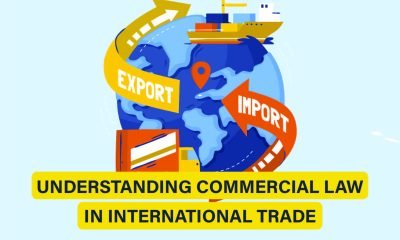 General Commercial Law Tips4 months ago
Understanding Commercial Law in International Trade


